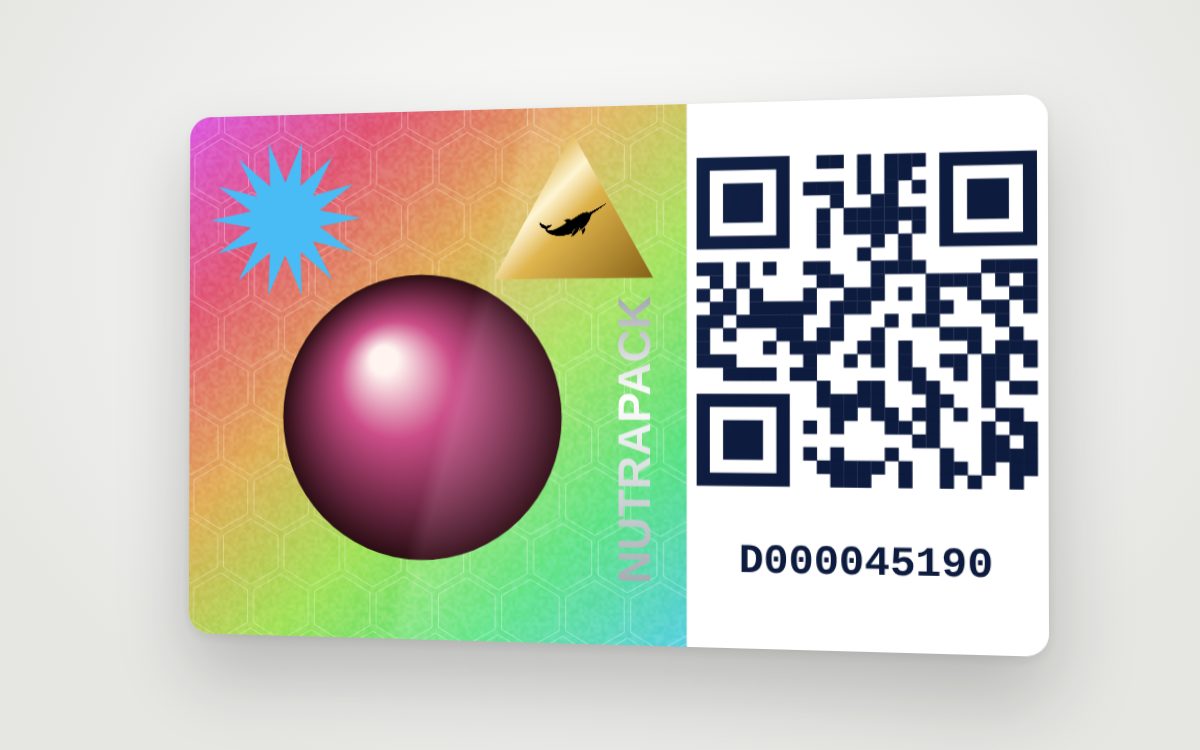
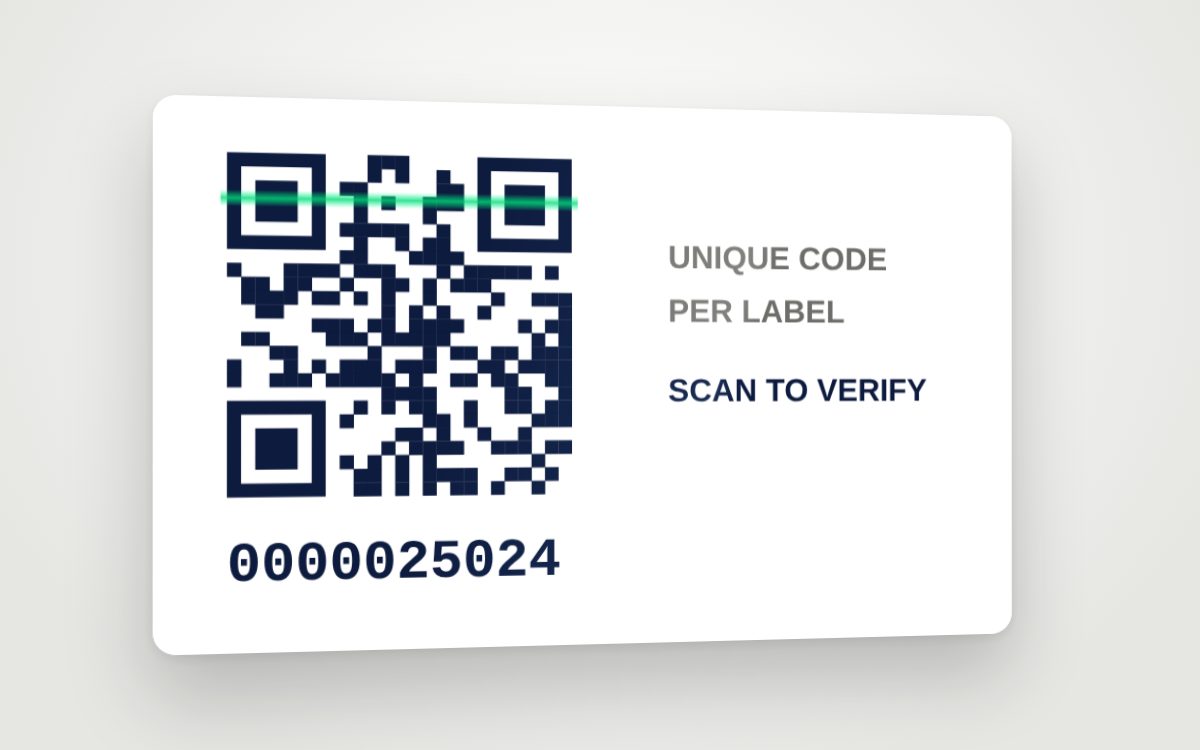
A normal label is identical on every unit. A serialized label isn’t: each one carries its own QR code and number. That small difference turns your packaging into a way to track and verify every product you ship.
How serialization works
During printing, variable-data technology prints a different code on each label in the run. Each code is recorded, along with the details you choose, such as product, lot, date or sales channel. When someone scans the code, it can lead to a verification page or a record of where that unit was meant to go.
What it’s good for
- Verification: shoppers scan to confirm the product is genuine. A code that has never been issued, or one scanned in many places, is a red flag.
- Lot tracking: if a batch has an issue, you know exactly which units came from it.
- Gray-market diversion: product meant for one market or channel shows up somewhere else. Channel-specific codes show where it leaked.
- Engagement: the same code can open product information, refills or rewards.
Make the code part of the design
Serialization works best alongside other features. A unique code on a holographic label with a foil seal is far harder to fake than a code printed on plain paper, because a counterfeiter would need to copy both the label and a valid code.
Things to plan before you print
- What should a scan show the customer?
- Which details do you want tied to each code: lot, date, channel?
- Where does the code sit, so it stays scannable on a curved tub or bottle?
- Who on your team checks reports of suspicious scans?
Serialization is one of our security features. Send a brief to talk it through.