Hologram stickers are everywhere, from concert tickets to supplement tubs. Some are pure decoration. Others are serious security features. Knowing the difference helps you spend on the right one.
What makes a label “holographic”
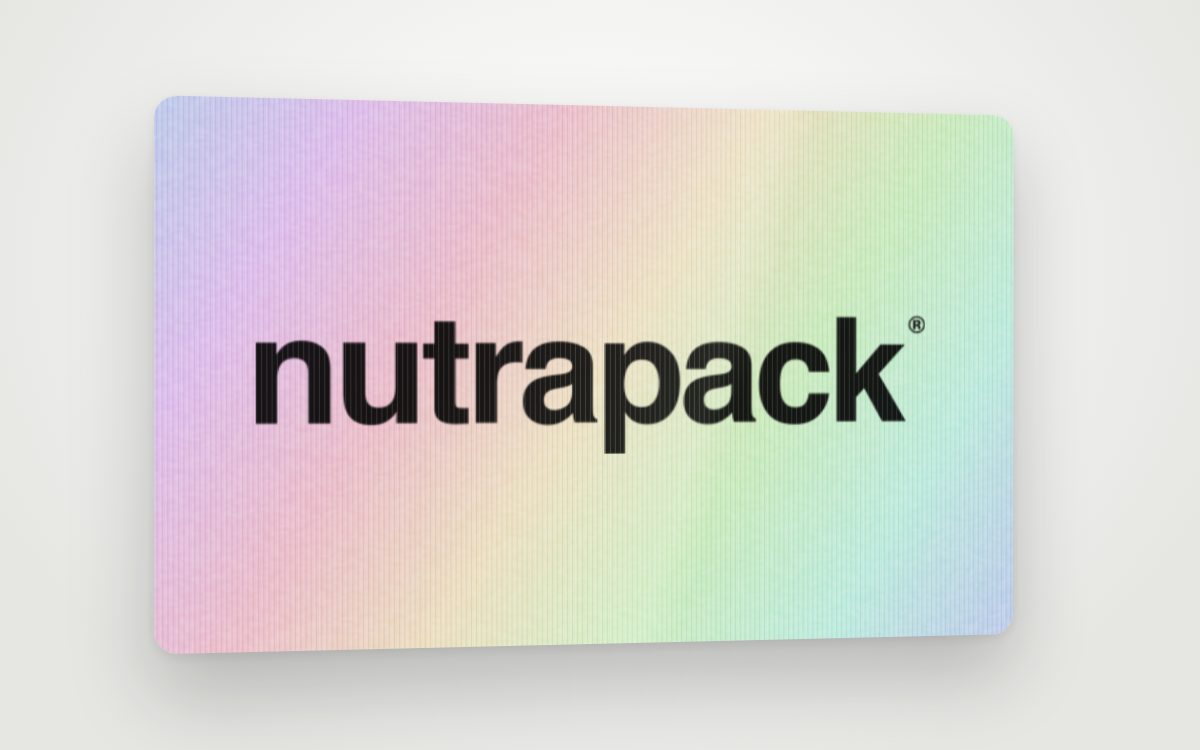
A holographic label has a microscopic pattern on its surface that splits light into colors. As the label tilts, the colors and the image shift. A photo or a photocopy can only capture one angle, which is why a copy of a hologram looks flat.
Stock vs. custom holograms
- Stock holographic material uses a generic rainbow or pattern. It looks premium and catches the eye, but anyone can buy the same material, so it adds little protection.
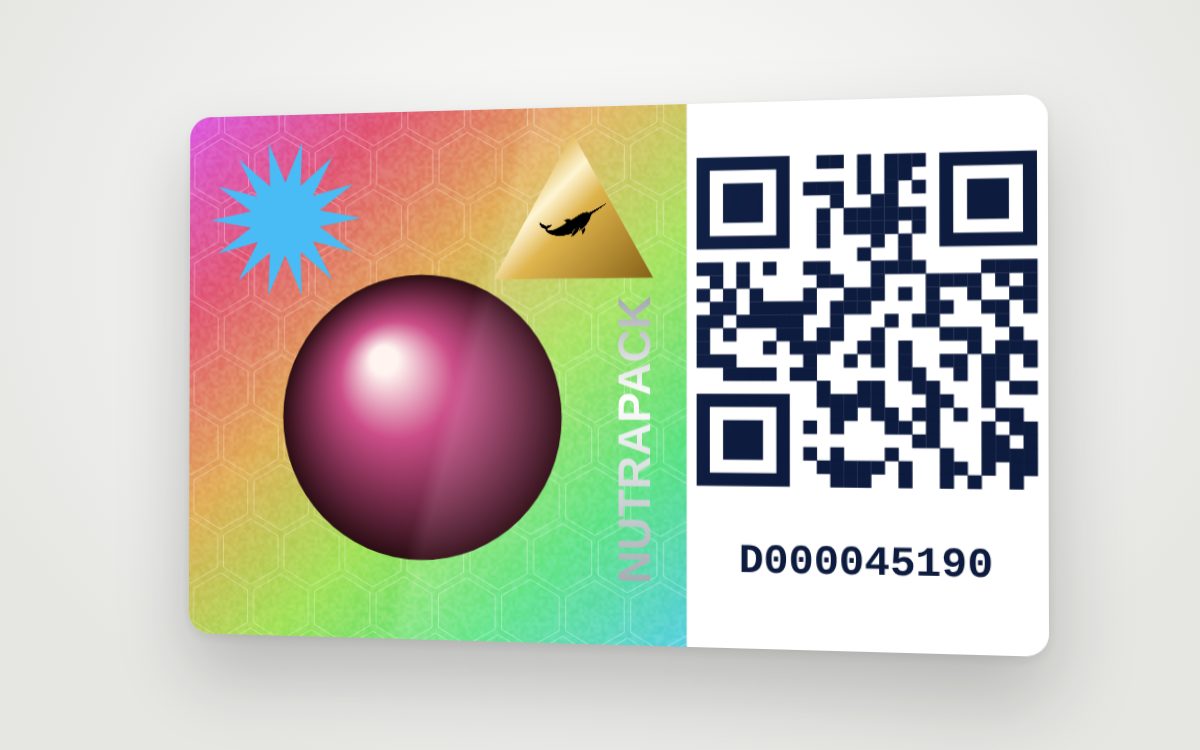
- Custom holograms are designed around your brand: your logo, your patterns, hidden details. They are much harder to reproduce, so they work as proof that the product is genuine.
Layering features
The strongest holographic labels combine several features on one label:
- holographic artwork that shifts color with the angle
- a metallic foil seal or wordmark
- micro text too fine to scan
- a unique QR code and serial number on every label
Each layer stops a different kind of copy. Together they make a fake obvious to a shopper and to your own team.
Where holographic labels work best
- Supplements and high-value consumables sold online, where knockoffs are common
- Spirits, as a seal over the cap or a strip down the neck
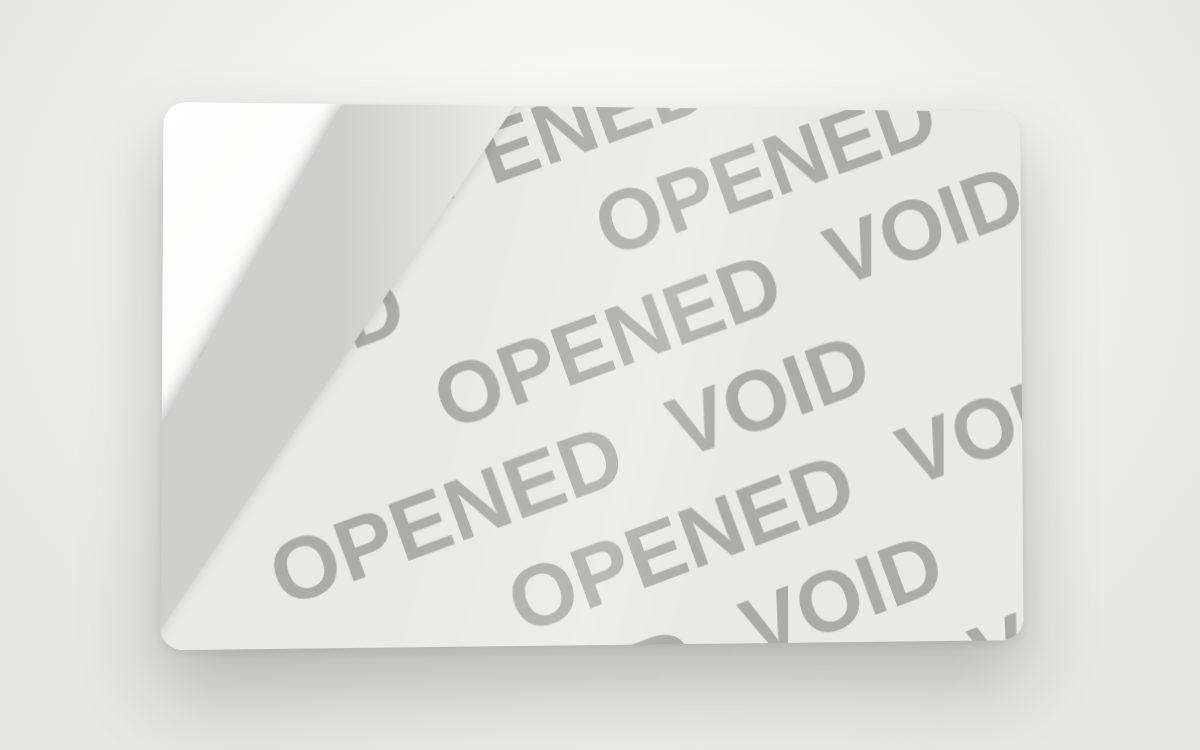
- Cartons and retail boxes, as a tamper strip across the seam
- Limited editions and drops, where the label is part of the collectible
Keep it premium
Holographic effects can look cheap when they cover everything. Use them where they matter: a seal, a band or a single panel, framed by your normal print. One well-placed holographic element reads as quality, not as a novelty sticker.
See the effects in motion on our security features page, or send a brief to talk through your product.